
Hydration: Muscles, Fascia, and Why Everything Hurts
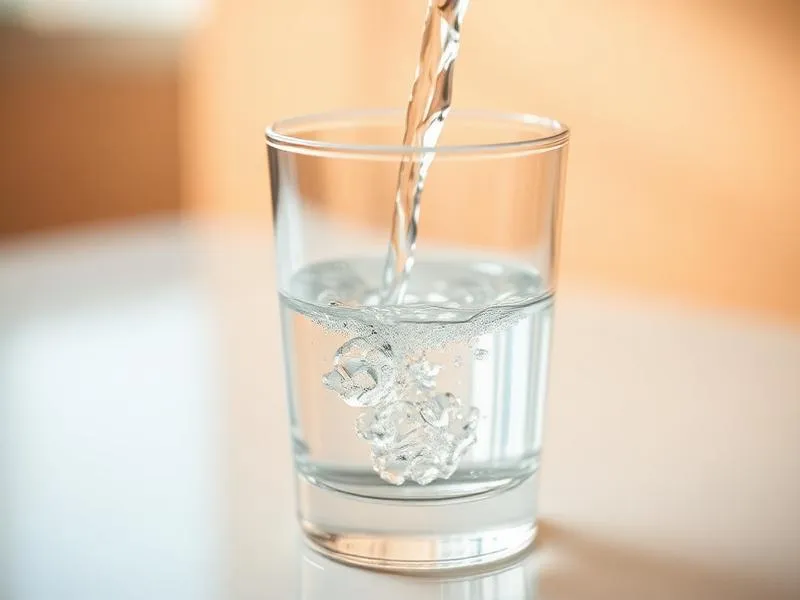
If you've ever landed on my table with fascia like shrink wrap and muscles that just won't let go — hydration is often the one variable nobody's talked to you about yet.
Your muscles can literally run dry
Skeletal muscle is 75–80% water by mass. A 2% drop in body water produces measurable drops in strength, endurance, and aerobic capacity — and here's the kicker: by the time you feel thirsty, you're already there.
Dehydration also spikes post-exercise cortisol and suppresses the signals your body needs to actually rebuild. So that chronic soreness that just won't resolve? It often has a hydration component before it has a training problem.
I tell clients to think of their body after a workout or a massage like one of those dinosaur sponge tablets — the ones that come in a little plastic egg. Looks like nothing until you add water, then it expands into something real. Your tissues work the same way. Drink the water. Let the work land.
Fascia: when your inner gel dries out
Fascia lives in a gel matrix built largely around hyaluronic acid — a molecule that is aggressively, almost desperately, water-loving. When you're dehydrated, it polymerizes into something denser and stickier. Layers that are supposed to glide start to adhere.
That resistance I feel under my hands has a direct biochemical explanation. Dehydrated fascia isn't just tight — it's structurally adhering, and that's measurable on ultrasound.
Dr. Helene Langevin's lab at Harvard found that people with chronic low back pain have significantly reduced fascial sliding capacity in the thoracolumbar fascia compared to pain-free controls. Hydration is a modifiable variable in that equation. It also distorts proprioceptive signals, which creates compensation patterns and compounds injury risk — meaning the problem rarely stays local.
Tendons, cartilage, and where injuries actually happen
Dehydrated tendons have reduced tensile strength and less ability to absorb load before something gives. That's the moment injuries happen.
Cartilage is its own thing — it has no blood supply. It feeds itself through a process called imbibition, basically a mechanical pumping of synovial fluid that happens when you move. Low fluid volume means poor cartilage nutrition, and over time that contributes to the kind of joint degeneration we reflexively blame on age. Sometimes it's just thirst.
How you feel is also data
A loss of just 1.36% body water — at rest, not mid-run — produces measurable mood decline, impaired concentration, and increased perceived effort. Dehydration also raises cortisol and inflammatory cytokines, which lowers your pain threshold.
Tissue doesn't have to be more damaged to hurt more. Sometimes it just needs water.
Water is the medium your entire physiology runs in. After more than two decades of hands-on clinical work, I can feel the difference the moment I put my hands on someone. It changes how the session goes. It changes how long the results hold.
Drink your water.